

As summer winds down in Texas, homeowners may expect spider activity to decline. In reality, late-summer heat, changing humidity, and shifts in insect populations can keep spiders active indoors. Garages, closets, attics, storage rooms, and other low-disturbance areas can provide shelter while spiders continue following prey into the home.
Ignoring repeated spider activity can allow webs, egg sacs, and hidden populations to build while also signaling another pest problem nearby. Professional spider control looks beyond visible spiders to identify where they are entering, where prey is concentrated, and which conditions are supporting activity. That makes late summer an important time to evaluate recurring sightings before cooler weather changes indoor pest patterns again.
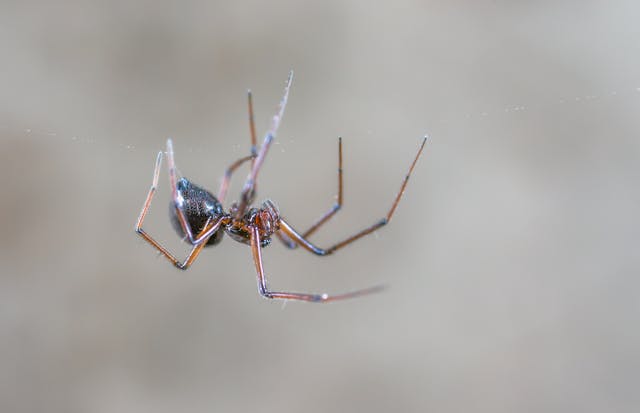
Repeated Spider Sightings Can Signal A Larger Pest Problem
Spiders stay where food is available. If several spiders keep appearing in the same room, garage, or storage area, there may be insects nearby that are sustaining them.
Signs worth paying attention to include:
- Webs returning soon after they are removed
- Spiders appearing repeatedly around windows or lights
- Egg sacs developing in protected corners
- Increased insect activity around doors and entry points
- Spiders gathering near garages, sheds, or storage areas
- Activity continuing in the same indoor zones for weeks
A professional visit can connect these clues with other pest pressure instead of treating each spider as an isolated problem. Understanding what happens during a professional pest visit can help homeowners see why inspection, identification, treatment, and follow-up all matter when activity keeps returning.
Venomous Species Make Accurate Identification Important
Texas homes can occasionally encounter medically significant spiders, including black widows and brown recluses. These spiders tend to favor quiet, protected areas, which can make them difficult to notice until stored items are moved or a web is disturbed.
Black widows may build irregular webs in garages, sheds, woodpiles, and other sheltered locations. Brown recluses may hide in closets, attics, boxes, or behind furniture. Because many harmless spiders can look similar at a glance, accurate identification is important before deciding how serious the situation is.
Professional spider control reduces guesswork. Technicians can inspect likely hiding areas, identify the species when possible, and determine whether the activity is isolated or connected to a broader indoor infestation.
Egg Sacs And Hidden Webs Can Extend The Problem
One visible spider does not always represent the full amount of activity indoors. Egg sacs may be tucked into corners, behind storage, beneath furniture, or inside undisturbed areas where homeowners rarely look.
Potential hiding areas include:
- Cardboard boxes stored for long periods
- Shelving in garages or utility rooms
- Attic corners and insulation edges
- Closets with infrequently moved belongings
- Gaps behind appliances or furniture
- Window frames, baseboards, and ceiling corners
Ignoring these areas can allow activity to continue even when the most obvious webs are removed. Professional inspection helps locate both active spiders and the conditions that make certain areas attractive, such as clutter, insect prey, moisture, or structural gaps.
This is also why routine monitoring matters. If new webs or egg sacs appear after treatment, technicians can use that information to adjust the plan rather than repeating the same response.
Seasonal Weather Changes Can Push More Activity Indoors
Late summer in Texas does not create one predictable spider pattern. Heat, humidity, rainfall, and insect movement can all change where spiders concentrate. As outdoor conditions become less favorable, some spiders may move toward protected indoor spaces where prey remains available.
A closer look at seasonal pest shifts helps explain why spider sightings may rise even when outdoor activity seems to be slowing. Garages, attics, sheds, and utility areas can offer stable temperatures and shelter while other insects also move indoors.
Professional spider control considers these seasonal relationships. Instead of focusing only on visible webs, technicians look at entry points, prey activity, moisture, and the parts of the home that provide long-term shelter.
Long-Term Spider Control Requires More Than Web Removal
Removing webs can improve appearance, but it does not address why spiders chose the location in the first place. Long-term control requires reducing the conditions that support both spiders and the insects they hunt.
A more complete plan may include:
- Inspecting recurring spider hot spots
- Reducing insect prey around doors and windows
- Sealing confirmed entry points after inspection
- Managing clutter in low-disturbance storage areas
- Applying targeted treatment where activity is concentrated
- Scheduling follow-up when webs or sightings return
Professional spider control also helps homeowners avoid overreacting to harmless species while giving more attention to locations where black widows, brown recluses, or persistent web-building activity may create concern.
Late summer is a useful point to address spider pressure because seasonal changes can shift more pest activity indoors. When repeated sightings, egg sacs, prey insects, and structural access are evaluated together, treatment becomes more precise and easier to monitor.
Clear Out Spider Pressure Before Fall
If spiders are becoming more noticeable indoors as summer ends, contact Fisher’s Pest Control for professional inspection, targeted spider control, web management, and long-term prevention.


