
Texas weather rarely follows a perfectly predictable pattern. Extended heat can give way to sudden downpours, high humidity, drought, strong winds, or sharp temperature drops. Around Willis and Montgomery County, these changes affect where ants and spiders find moisture, food, shelter, and stable conditions. Activity that begins in lawns, landscape beds, rooflines, or exterior storage areas may move closer to occupied buildings when outdoor conditions become difficult.
Professional pest control accounts for these shifts rather than treating every sighting as an isolated event. Technicians study weather, property conditions, entry routes, and recurring hotspots before adjusting treatment. This seasonal approach helps reduce pest activity without relying on the same one-time response throughout the year.
Heat And Drought Push Pests Toward Reliable Resources
Long stretches of Texas heat can dry soil, reduce natural water sources, and alter insect movement. Ant colonies may send workers farther from outdoor nests in search of moisture and food. Spiders may become more noticeable around shaded walls, garages, porches, and exterior lights where prey insects remain available.
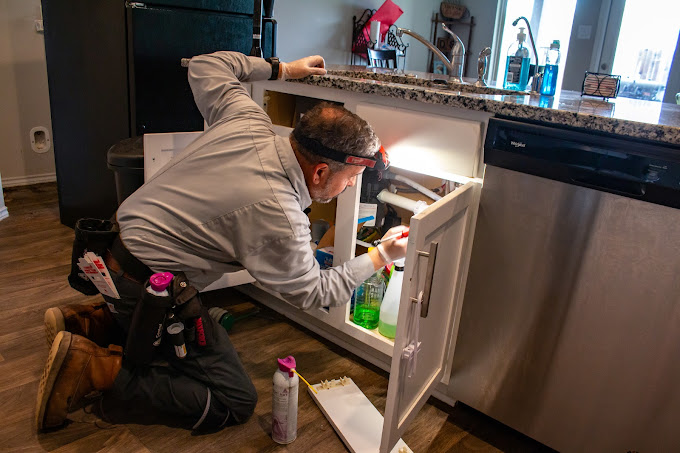
Conditions professionals often evaluate include:
- Irrigation lines and damp soil near foundations
- Condensation around outdoor fixtures and utility areas
- Ant trails leading toward kitchens, bathrooms, or break rooms
- Spider webs near lights, eaves, doors, and covered walkways
- Cracks that connect dry outdoor areas with cooler interiors
Treating visible ants or removing one web may improve appearance briefly. An inspection helps identify the environmental pressure and concealed routes allowing activity to continue.
Heavy Rain Changes Nesting And Travel Patterns
Storms can flood soil-level ant nests, wash debris toward structures, and create sheltered moisture around foundations. Spiders may relocate when webs are damaged, or prey insects concentrate beneath roof overhangs and covered entries. Commercial sites can experience added pressure around loading areas, waste stations, doors, and landscaped borders after repeated rain.
The discussion of summer commercial risks shows how heat, moisture, food access, exterior lighting, and property traffic can work together. Weather does not create every pest issue, but it can intensify existing conditions and make previously quiet areas more attractive.
Professionals compare post-storm sightings with drainage, vegetation, structural gaps, and earlier service records. This keeps treatment focused on active routes instead of covering unaffected areas.
Humidity Supports Longer Periods Of Activity
High humidity slows drying around shaded soil, mulch, porches, and building edges. Ants benefit from dependable moisture, while spiders remain where other insects are active. Humid conditions can also make garages, storage areas, and covered exterior spaces more supportive if airflow is limited.
A weather-aware inspection may include:
- Checking damp mulch and vegetation beside exterior walls
- Reviewing gutters, downspouts, and low-drainage areas
- Inspecting garages, sheds, and storage zones for webs or trails
- Examining doors, windows, vents, and utility penetrations
- Monitoring locations where activity returns after humid periods
These observations help technicians distinguish temporary movement from a developing pattern. They also support treatment timing, especially when changing humidity affects how long exterior protection remains effective.
Outdoor Changes Often Become Indoor Problems
Pest activity inside a building usually begins with favorable conditions outside. When heat, rain, or drought changes those conditions, ants and spiders may follow cracks, thresholds, vents, cables, or roofline gaps into more stable spaces. The connection between outdoor and indoor pressure explains why exterior inspection is essential even when sightings occur indoors.
A professional plan may involve:
- Tracing ant trails toward exterior nesting areas
- Removing accessible webs and spider egg sacs
- Treating confirmed foundation and entry-point zones
- Reducing prey-insect pressure around exterior lighting
- Recommending sealing after active routes are identified
This layered approach addresses both the immediate activity and the transition points pests use. It is more effective than repeatedly responding inside while exterior sources remain active.
Seasonal Follow-Up Keeps Protection Responsive
Texas weather can weaken treatment barriers, create new moisture zones, damage seals, or shift where pests travel. A plan that performed well during a dry period may need adjustment after storms or weeks of high humidity. Long-term protection therefore depends on inspection and follow-up rather than assuming one application will remain unchanged.
Technicians can compare new trails, webs, and nesting evidence with previous visits. If ants move toward a different side of the structure, treatment can follow confirmed activity. If spider webs return around one roofline or lighting zone, the inspection can focus on access, shelter, and available prey.
Scheduled service also helps identify changes before pest activity becomes disruptive. Vegetation may begin touching walls, drainage may slow, or cracks may open around foundations and utility lines. Addressing these conditions supports residential and commercial protection while keeping applications precise.
Changing weather patterns do not affect every property in the same way. Building design, irrigation, landscaping, occupancy, and surrounding habitat all influence the response. Professional pest control brings those factors together, allowing ant and spider management to adapt as Texas conditions change throughout the year.
Keep Weather-Driven Pest Pressure Outside
Contact Fisher’s Pest Control for professional inspection, targeted treatment, spider control, ant control, and year-round follow-up tailored to changing Texas weather.


