

Texas homes face persistent pest pressure throughout the year. Warm temperatures, seasonal humidity, and active wildlife corridors create ideal conditions for ants, cockroaches, rodents, termites, spiders, and wasps. When pest activity appears, many homeowners try to manage it independently. While that approach may seem reasonable at first, recurring infestations often reveal what do-it-yourself treatment tends to miss.
From an expert perspective, effective pest management is not just about removing what is visible. It depends on accurate identification, understanding pest behavior, locating hidden nesting zones, blocking access points, and monitoring conditions over time. When those pieces are missing, pest problems frequently return even after multiple attempts at treatment. This is why professional pest control often becomes the most efficient long-term solution.
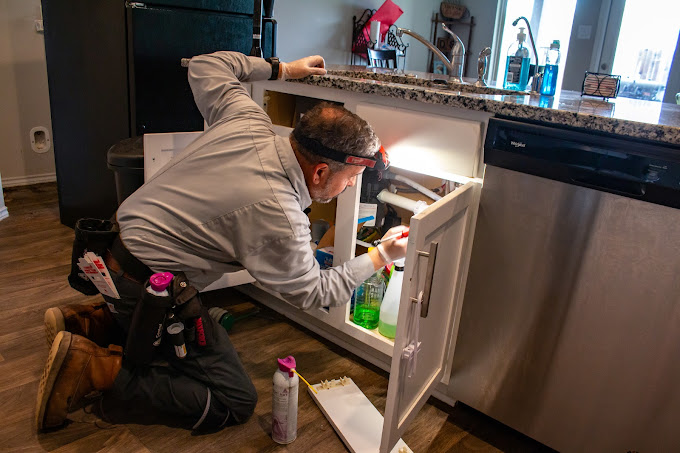
Misidentifying The Pest And Treating The Wrong Target
One of the most common failures in self-treatment is misidentification. Different pests require different products, placement strategies, and timelines. When the wrong pest is assumed, the wrong approach is applied, and activity continues.
- Ants follow trail behavior, but the colony may be outdoors or deep in wall voids
- Cockroaches hide in tight cracks and reproduce quickly, often beyond what is seen
- Termites stay concealed in wood or soil and cause damage long before discovery
- Rodents exploit predictable routes and return if entry points remain open
- Wasps defend nests aggressively when disturbed and rebuild in familiar shelter zones
A homeowner may assume a quick spray solves the issue, only to see the same pests return. Some infestations also grow worse because incomplete treatment can push pests deeper into hidden spaces.
Many do-it-yourself misconceptions begin with inaccurate assumptions about pest behavior. Reading common pest myths helps clarify why certain popular tactics are unreliable and why pests often persist even when activity appears reduced.
Professional pest control begins with correct identification so treatment targets the true source, not just surface signs.
Missing Hidden Entry Points Around The Home
Texas homes experience expansion, contraction, and weather changes that create small gaps over time. These openings can be easy to overlook, but pests notice them immediately.
- Gaps around plumbing lines and exterior faucets
- Cracks along foundation edges near mulch beds
- Loose weather stripping on doors and garage seals
- Attic vent openings without adequate screening
Homeowners often focus on indoor treatment while missing how pests enter. Rodents can squeeze through surprisingly small openings. Ants and cockroaches exploit moisture-driven routes through tiny structural gaps.
Professional pest control includes exterior inspection and exclusion planning. Without this, pests may be reduced temporarily, then reenter through the same overlooked entry points once treatment wears off.
Underestimating How Fast Pest Populations Rebuild
Another common oversight is underestimating reproduction. Many household pests can rebound quickly if nesting areas remain untouched.
- Ant colonies can regenerate even after heavy worker loss
- Cockroach egg cases hatch later, restarting activity
- Termite colonies continue feeding quietly behind walls
- Rodent populations rebound when shelter and food remain available
Do-it-yourself treatment often targets exposed pests but misses breeding zones. This creates the frustrating pattern where activity seems to stop, then returns weeks later.
Professional pest control accounts for life cycles and nesting behavior. Treatment timing, monitoring, and follow-ups are designed to interrupt reproduction, not merely reduce what is seen in the open.
Overlooking The Real Cost Of Repeat Treatments
Many homeowners assume self-treatment is cheaper, but repeated purchases and delayed resolution often increase overall cost. The largest expenses typically come from the damage pests cause when infestations are allowed to linger.
- Structural repairs from untreated termite damage
- Insulation replacement and cleanup after rodent nesting
- Repeated product purchases that provide temporary relief
- Emergency treatments once an infestation escalates
When pest issues recur, the cost becomes cumulative. Reviewing our insights on how pro pest control provides long-term savings helps show how consistent service can prevent repeat spending and reduce the likelihood of expensive surprises later.
Professional pest control is not only about elimination. It is about preventing the cycle of reinfestation that increases costs over time.
Ignoring Environmental Conditions That Keep Attracting Pests
Even strong treatment efforts can fail when the environment continues feeding pest pressure. Moisture, food sources, and shelter conditions act like constant invitations.
- Overwatered landscaping and poor drainage support insects
- Cluttered garages and sheds create rodent harborage
- Exterior lighting attracts insects, which draws spiders
- Pet food, trash, and outdoor eating areas feed ants and roaches
A professional approach evaluates the full property, not just the room where pests were seen. This includes sanitation habits, moisture conditions, landscaping layout, and structural vulnerabilities.
Texas weather amplifies these issues. Heat drives pests toward water sources. Seasonal changes push rodents indoors. Without consistent oversight, small environmental shifts lead to recurring infestations.
Professional pest control provides ongoing evaluation so strategies can adjust as conditions change, rather than reacting only when pests are already active again.
Choose Long Term Stability Over Guesswork
Recurring pest problems often happen because key details get missed. Accurate identification, exclusion planning, lifecycle awareness, and environmental correction work together to create lasting results. When any part is skipped, pests regain ground.If pest activity keeps resurfacing, consistent professional pest control can provide the structure and protection your home needs. For dependable service and long-term prevention, contact Fisher’s Pest Control


