
Spring in Texas brings a noticeable shift in pest behavior, and ants are often among the first to appear. As temperatures rise and moisture increases, ant colonies become more active, expanding their search for food and new nesting areas. This surge in spring ant activity can quickly turn into a persistent problem for homeowners and businesses alike.
While many attempt to handle ant issues on their own, the results are often temporary. Understanding why ants behave the way they do in spring, and why certain approaches fall short, helps explain why a more structured solution is usually necessary for lasting control.
Why Spring Triggers Increased Ant Activity
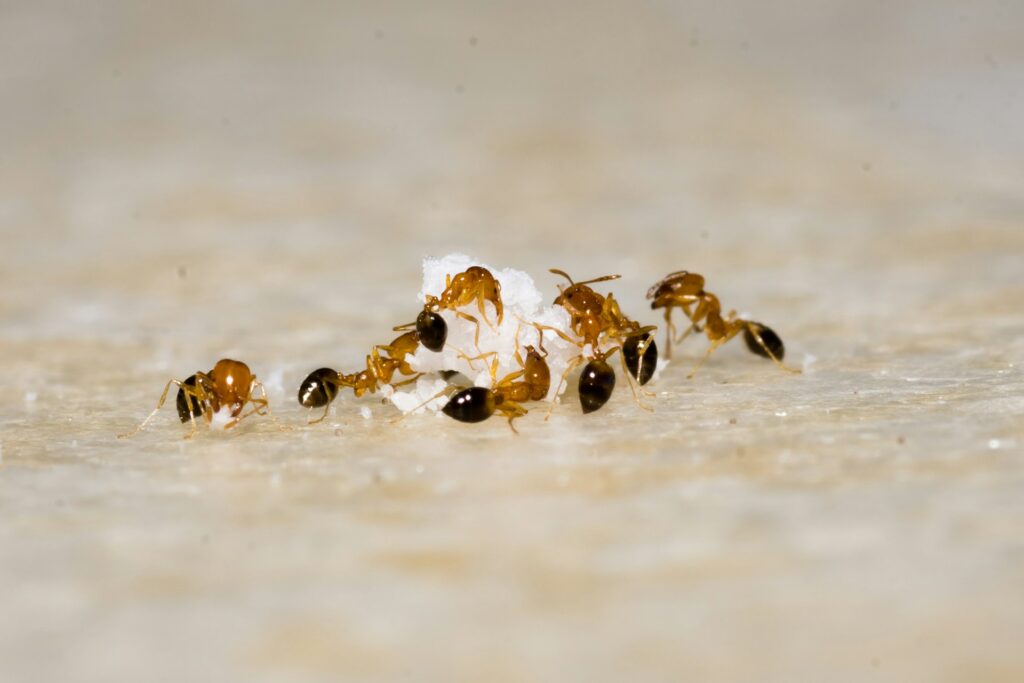
Spring creates ideal conditions for ant colonies to grow and expand. After colder months, ants become more active as they seek food, water, and new nesting sites. This period marks a significant increase in visible activity.
- Warmer Temperatures stimulate movement and foraging
- Increased Moisture supports colony survival and expansion
- Food Availability encourages ants to enter homes and buildings
- Colony Growth leads to more worker ants searching for resources
These conditions allow ant populations to increase rapidly. What may start as a small trail can quickly develop into a larger infestation if the colony continues to grow unchecked.
In Texas, this pattern is especially noticeable due to the climate. Extended warm seasons allow ants to remain active for longer periods, increasing the likelihood of recurring issues.
Common Ant Problems Seen in Texas Properties
Ant infestations in Texas often involve multiple species, each with its own behavior and nesting preferences. These ants can affect both indoor and outdoor environments, creating challenges that require careful identification.
- Odorous House Ants often enter kitchens and food storage areas
- Fire Ants build mounds outdoors and can pose safety concerns
- Carpenter Ants nest in wood and may affect structural elements
- Pavement Ants create colonies in soil and along foundations
These pests are part of a broader range of insects commonly handled in professional pest control services, including spiders, cockroaches, and other household pests. Their presence often indicates conditions that support ongoing activity.
Because each species behaves differently, effective control depends on understanding how and where they operate. Treating all ants the same way often leads to incomplete results.
Why DIY Ant Treatments Often Fall Short
DIY treatments may provide short-term relief, but they rarely address the full scope of an ant infestation. This is because most visible ants are only a small part of a much larger colony.
- Surface Treatments only affect visible ants
- Incomplete Coverage allows colonies to remain active
- Incorrect Products may not match the ant species
- Lack Of Follow-Up leads to recurring activity
When only the surface problem is addressed, the colony continues to grow behind the scenes. Over time, ants return, often in greater numbers.
This pattern is common and often misunderstood. These DIY pest control gaps explain why surface-level solutions fail to deliver lasting results.
Without targeting the colony itself, control efforts remain limited and temporary.
The Importance of Targeting the Entire Colony
Effective ant control focuses on eliminating the source of the problem, not just the visible signs. Colonies can be located deep within soil, walls, or other hidden areas, making them difficult to reach without a structured approach.
- Colony Location must be identified for effective treatment
- Baiting Systems allow ants to carry the treatment back to the nest
- Targeted Application reduces unnecessary exposure
- Monitoring ensures the colony has been fully addressed
This approach requires an understanding of ant behavior and movement patterns. Without it, treatments may miss critical areas, allowing the infestation to continue.
In addition, ant activity is influenced by environmental conditions. Changes in weather, moisture, and food availability can shift how ants behave, requiring adjustments in treatment strategy.
Why Ongoing Care Prevents Recurring Infestations
Spring ant activity is not a one-time event. It is part of a seasonal cycle that can repeat if conditions remain favorable. Without ongoing care, new colonies can develop even after initial treatment.
- Continuous Monitoring helps detect new activity early
- Preventive Treatments reduce the likelihood of re-entry
- Seasonal Adjustments align with changing conditions
- Environmental Management addresses factors that attract ants
Recurring infestations are often linked to untreated conditions rather than treatment failure. This is why long-term strategies focus on prevention as well as control.
Understanding how pest problems return over time is important for maintaining results. These recurring pest patterns highlight why consistent care is necessary.
By addressing both current activity and future risk, pest control becomes more reliable and less reactive.
Take control before ants take over
Spring ant activity in Texas can escalate quickly, especially when conditions support rapid colony growth. While DIY treatments may offer temporary relief, they often fail to address the underlying problem, allowing infestations to return.For those looking for a more dependable solution, professional support provides a clearer path to lasting control. Contact Fisher’s Pest Control to protect your property.


