
A professional pest control visit is more than a quick application around visible activity. The process begins with questions, inspection, identification, and a review of the conditions allowing pests to enter or remain. In Southeast Texas, warm temperatures, humidity, rain, and seasonal changes can keep ants, spiders, rodents, cockroaches, termites, wasps, and other common invaders active year-round.
Knowing what to expect helps homeowners understand why treatment may be focused on specific zones and follow post-service instructions. A structured visit gives technicians the evidence needed to build a property-specific response rather than relying on a one-size-fits-all approach.
Inspection Comes Before Treatment
The technician usually begins by asking where activity has been noticed, when it occurs, and whether it has changed. Details about leaks, recent weather, deliveries, renovations, pets, and earlier treatments can guide the inspection.
The property review may include:
- Kitchens, bathrooms, garages, attics, and storage areas
- Doors, windows, vents, utility openings, and foundation edges
- Ant trails, spider webs, droppings, damage, or nesting evidence
- Moisture near plumbing, drainage, irrigation, or shaded landscaping
- Exterior lights, rooflines, waste areas, and sheltered corners
Inspection helps separate isolated sightings from a larger infestation. It also allows the technician to identify likely entry points, food sources, moisture, and protected harborages before treatment begins.
The Treatment Plan Should Match The Findings
After the inspection, the technician should explain what was found and how the proposed treatment addresses it. A home with ants entering near a kitchen requires a different response from a property with spiders gathering around exterior lights or rodents using attic access.
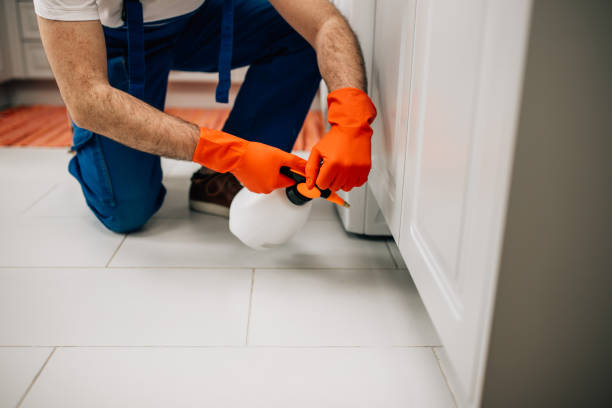
The value of ongoing professional care is that the plan can address hidden populations, recurring routes, and conditions that support return activity. Treatment may include targeted interior placement, crack-and-crevice work, exterior applications, traps, baits, web removal, or monitoring, depending on the confirmed pest and service area.
Professionals should also explain which areas will be treated, how long the work may affect access, and what results to expect. Some activity may decline quickly, while colony-based or concealed pests may require more time and follow-up.
Preparation And Safety Instructions Matter
Preparation requirements vary, so homeowners should follow the instructions supplied for the service. Moving unnecessary items can spread pests or block useful evidence. The goal is to create access while protecting occupants and belongings.
Common instructions may include:
- Securing exposed food, dishes, and food-preparation items
- Moving pet bowls, bedding, toys, or litter supplies as directed
- Clearing selected baseboards, cabinets, or garage walls
- Providing access to gates, attics, crawl spaces, and utility areas
- Keeping occupants and pets away during drying or reentry periods
A professional technician should explain product placement, drying time, ventilation, and reentry guidance. Pet-friendly planning means considering how animals use the home and yard, then applying treatment according to the label and confirmed activity.
Exterior Conditions Often Shape Indoor Results
Pest activity noticed indoors often begins outside. Ant colonies may extend through lawns, spiders may gather where prey insects collect, and rodents may travel along fences, trees, or utility routes before locating structural openings. Treating only the room where the pest appeared can leave the source active.
The discussion of more than one-time treatment explains why Texas weather and seasonal pressure require continued evaluation. Rain can weaken exterior barriers, heat may drive pests toward moisture, and cooler weather can push rodents toward shelter.
An exterior review may involve:
- Checking cracks, thresholds, siding gaps, and utility penetrations
- Evaluating vegetation, mulch, drainage, and irrigation near walls
- Removing accessible spider webs and egg sacs where appropriate
- Treating confirmed foundation or perimeter activity zones
- Recommending sealing after active routes are identified
This layered approach connects interior treatment with property conditions.
Follow-Up Confirms Whether The Plan Is Working
The first visit establishes the starting point, but follow-up shows whether activity is declining and whether adjustments are needed. Pests may emerge from hidden areas, eggs may hatch later, or seasonal conditions may create pressure nearby.
During a return visit, technicians can compare new evidence with earlier findings, inspect treated zones, adjust baits or monitors, reinforce exterior protection, and review whether recommended repairs or moisture corrections were completed. This creates continuity rather than repeating the same application automatically.
Homeowners should report where and when activity continues without disturbing monitoring devices or treatment placements. Cleaning instructions also matter because removing bait or washing a treated crack too soon can reduce effectiveness.
A professional pest control visit should leave the homeowner with more than a treated area. It should provide a clear explanation of the pest, source, completed work, expected timeline, and prevention steps. Inspection, custom treatment, safety guidance, exterior awareness, and follow-up work together to create a more dependable result than reacting only to visible pests.
Turn The First Visit Into Lasting Protection
Contact Fisher’s Pest Control for professional inspection, customized pest control, targeted treatment, and dependable follow-up for your Willis-area property.


