

Summer brings longer days, more outdoor activity, and stronger pest pressure around Texas homes. Heat, humidity, rain, irrigation, and food access can push pests toward kitchens, bathrooms, garages, attics, crawl spaces, patios, and wall voids. What looks like a small seasonal nuisance may become a larger problem when pests find shelter and resources inside the home.
Professional pest control becomes important when the signs point beyond a single stray insect. Ants may be building trails from outdoor colonies. Spiders may be following other insects indoors. Rodents may be using small gaps near foundations, garage doors, or utility lines. When these patterns continue, the home often needs a more complete inspection, targeted treatment, and a long-term prevention plan.
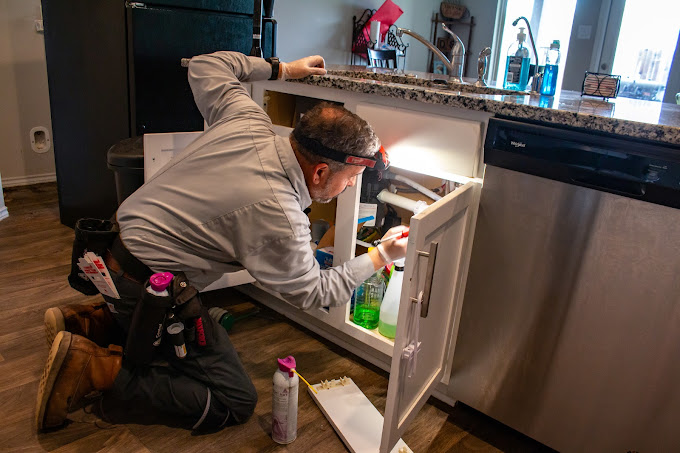
Repeated Indoor Sightings Are A Warning Sign
Seeing one pest does not always mean there is an infestation, but repeated sightings usually deserve attention. Summer conditions allow pests to reproduce and move faster, especially when food, moisture, and shelter are available. If pests keep appearing in the same areas, they may be using established routes.
- Ants may show up near sinks, pantry shelves, baseboards, windows, or pet bowls.
- Spiders may appear in corners, closets, garages, crawl spaces, or attic edges.
- Rodents may leave droppings, gnaw marks, grease trails, or scratching sounds at night.
- Insects may gather near doors, lighting, damp rooms, or stored items.
- Webs, egg sacs, trails, and droppings can point to activity that has been building quietly.
These signs matter because visible pests are often only part of the issue. A few ants on the counter may connect to a colony outside. A spider in the garage may mean insects are active nearby. Rodent evidence may reveal gaps that need sealing, not just trapping.
Outdoor Conditions Can Push Pests Inside
Many indoor pest issues begin outdoors. Summer storms, lawn watering, thick vegetation, mulch, woodpiles, standing water, and food waste can create pest pressure near the home. Once pests gather around the exterior, they can start testing weak spots.
- Landscaping that touches the home can give ants and spiders easier access.
- Damp mulch may hold moisture that attracts insects close to the foundation.
- Gaps under doors can allow crawling pests and rodents to enter.
- Garage clutter can create protected hiding areas for spiders and mice.
- Trash bins, grills, and pet feeding areas can attract insects before they move indoors.
This is why it helps to understand the connection between yard conditions and indoor activity. When exterior pressure grows, pests may enter through tiny openings that are easy to miss during daily routines. A closer look at outdoor conditions explains how changes outside can quickly affect what happens inside the home.
A professional inspection looks at both areas together. The goal is not only to treat the room where pests were seen, but to identify the route, source, and conditions that keep the problem active.
One-Time Treatments May Not Match Texas Pest Pressure
Summer pest problems often return when the response only addresses the moment. Texas weather can support ongoing pest activity, which means one-time treatment may not be enough for homes with repeated ants, spiders, rodents, or general insect pressure. Pests can re-enter after rain, new landscaping growth, nearby construction, or changes in food and moisture access.
- Follow-up visits help check whether pest activity is declining or shifting.
- Seasonal treatments support protection as weather and pest behavior change.
- Targeted plans address the specific pests, structure, and pressure around the home.
- Entry-point review helps reduce repeat access through cracks, vents, and door gaps.
- Prevention guidance helps homeowners understand what conditions need attention.
This long-term view matters because summer pest control is not simply about removing what is visible today. It is about reducing the likelihood that pests keep finding the same opportunities tomorrow. For homes dealing with repeat issues, ongoing treatments can provide a more practical way to manage persistent seasonal pressure.
Professional service also adds structure. Technicians can inspect, identify, treat, monitor, and adjust the plan when pests respond differently than expected. That is especially important with ants and rodents, because surface-level activity may hide larger routes or nesting areas. With spiders, treatment may also need to consider the insects drawing them into the space.
Small Clues Can Point To Bigger Problems
Some of the most important warning signs are easy to dismiss. A faint scratching sound in the wall, a few droppings in the garage, recurring webs in the same corner, or ants that return after cleaning may not seem urgent. Over time, those clues can reveal a pattern.
Professional pest control is useful when activity is repeated, spreading, hard to locate, or connected to hidden areas of the home. A careful plan can help protect comfort, reduce stress, and prevent pests from becoming a larger summer disruption.
Keep Summer Pests From Settling In
If ants, spiders, rodents, or recurring insects are showing up around your home, the signs should not be ignored. For thoughtful inspections, targeted treatment, and long-term pest control, contact Fisher’s Pest Control for professional services.


