Many property owners view pest control as a reactive expense rather than a preventive investment. This mindset often leads to delayed action, short-term fixes, and higher costs over time. From an expert perspective, consistent pest control is one of the most effective ways to protect structures, reduce unexpected repairs, and maintain healthier indoor environments. The financial benefits become clearer when pest activity is managed before infestations escalate.
Pests such as ants, spiders, rodents, termites, roaches, and other common household invaders rarely cause immediate, visible damage. Instead, problems develop gradually. Structural wear, contamination, and hidden nesting activity accumulate quietly until repairs become unavoidable. Consistent pest control focuses on early detection, routine monitoring, and strategic intervention, which helps avoid the compounded costs associated with major infestations.
The Hidden Costs Of Reactive Pest Control
Waiting until pests are visible or disruptive often results in higher expenses than expected. Reactive approaches tend to address symptoms rather than causes, allowing problems to return or worsen.
- Emergency treatments that cost more due to urgency and expanded scope
- Repeated service calls caused by incomplete resolution of the underlying issue
- Structural repairs from gnawing, nesting, or moisture-related damage
- Replacement of damaged items such as insulation, wiring, furniture, or stored goods
Pests are highly adaptive. When infestations are allowed to grow, they spread into walls, attics, crawl spaces, and utility areas. At that point, treatment becomes more complex and costly. Consistent pest control limits this progression by keeping activity at manageable levels and identifying vulnerabilities early.
How Prevention Reduces Repair And Replacement Expenses
One of the primary ways consistent pest control saves money is by reducing damage to structures and materials. Many pests cause harm simply by living undisturbed within a property.
- Rodents chew wiring, insulation, and wood framing
- Termites weaken structural components through sustained feeding
- Ants exploit moisture-damaged wood and wall voids
- Spiders and insects thrive in cluttered or undisturbed areas
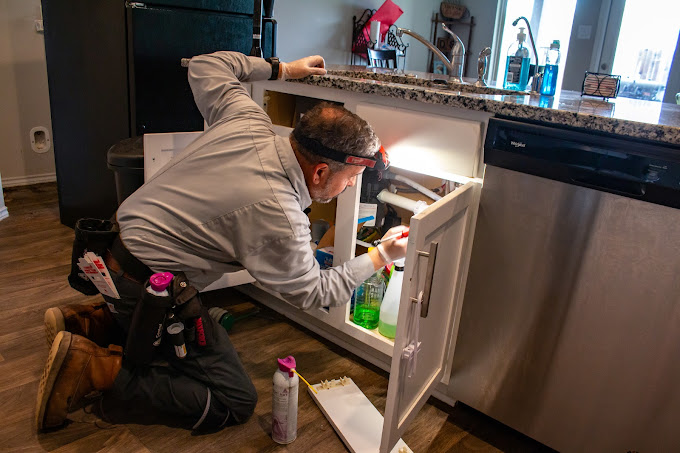
Routine inspections help detect early signs of damage before they spread. Addressing minor issues early prevents costly repairs later. For example, managing spiders and other insects through consistent service supports cleaner environments and reduces buildup. This approach is explored further in this guide on spider prevention savings, which explains how routine care limits long-term costs.
Preventive pest control also protects secondary systems. Moisture issues linked to pest activity can damage drywall, flooring, and insulation. By managing pests consistently, these related expenses are often avoided altogether.
Why Pests Become More Expensive Over Time
Pest populations do not remain static. When left unchecked, they expand, adapt, and become harder to control. This growth directly impacts treatment cost and complexity.
- Population expansion that increases the treatment footprint
- Behavioral adaptation that reduces effectiveness of basic control methods
- Deeper nesting within walls, foundations, or substructures
- Cross-contamination between rooms and storage areas
Consistent pest control interrupts these cycles. Regular service reduces breeding opportunities and limits the ability of pests to establish stable populations. Over time, this stability translates into fewer major interventions and lower cumulative spending.
By contrast, irregular or delayed action often leads to repeated attempts that fail to fully resolve the problem. This pattern results in spending more over several years than a structured program would have required from the start.
The Financial Value Of Professional Oversight
Professional pest control programs are designed to deliver efficiency through planning, documentation, and expertise. These elements directly affect long-term cost control.
- Accurate identification ensures the right treatment is used from the beginning
- Scheduled monitoring tracks trends before infestations escalate
- Targeted applications reduce unnecessary treatments and product use
- Documentation and reporting support informed decisions and continuity
Professional oversight also reduces the risk associated with uncoordinated efforts. Improper or excessive use of store-bought products can lead to property damage, safety concerns, and recurring infestations. The financial risks of these approaches are outlined in this discussion on DIY pest risks, which explains why improvised methods often cost more in the long run.
Consistency allows professionals to adjust strategies over time. Seasonal changes, construction aging, and environmental factors are all considered. This adaptability improves outcomes while keeping costs predictable.
Long-Term Budget Stability Through Consistent Pest Control
Beyond direct savings, consistent pest control supports financial stability. Predictable service schedules and proactive planning reduce surprise expenses and help property owners budget more effectively.
Routine pest control also protects property value. Homes and buildings with documented preventive care are less likely to suffer from extensive damage that affects resale or insurance outcomes. Clean, pest-managed environments support healthier living conditions and reduce liability concerns.
Over time, consistent pest control shifts spending from emergency response to controlled maintenance. This shift is where long-term savings become most apparent. Instead of paying more to solve larger problems later, property owners invest in keeping problems small or preventing them entirely.
Pest control is not just about eliminating pests. It is about protecting structures, preserving materials, and maintaining stable indoor environments. When viewed through this lens, consistency becomes a cost-saving strategy rather than an added expense.
A Smarter Way To Protect Your Investment
We believe long-term protection starts with consistency, not crisis response. Contact Fisher’s Pest Control to learn how ongoing pest control can help reduce costs, protect property, and deliver lasting peace of mind.


