

As fall settles in and temperatures drop, rodents start looking for warmer, safer places to spend the season. Homes quickly become prime targets because they offer shelter, food, and quiet nesting areas. Once mice or rats get inside, they can contaminate surfaces, chew wiring and insulation, and create health concerns for the entire household. Effective rodent control begins with understanding how these pests think and how they find their way indoors in the first place.
Rodents are not the only concern during seasonal changes. Ants, spiders, and other pests also respond to cooler weather by moving closer to structures. The same gaps that allow rodents to slip in can become pathways for many fall invaders. That is why a fall prevention plan must combine smart home maintenance with a clear understanding of pest behavior as temperatures change.
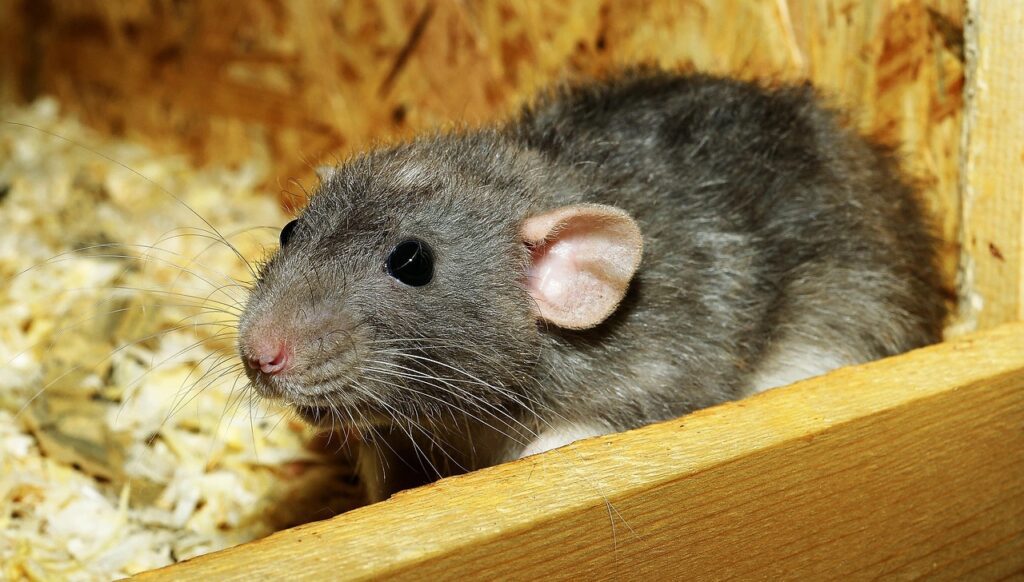
Why Rodent Activity Rises in Fall
The fall season changes pest patterns across the board. When nights get cooler and food becomes less available outdoors, rodents begin seeking stable environments with steady warmth and food. Homes provide exactly that, especially in areas with surrounding vegetation or nearby food sources.
Key reasons rodent pressure increases in the fall include:
- Cooling temperatures that make outdoor nests uncomfortable
- Reduced natural food supplies in yards and fields
- Longer nights that give rodents more cover to move unseen
- Increased indoor heating that leaks out through small gaps
These seasonal shifts are part of a larger pattern in pest behavior. Resources on how approaching cold weather influences pest activity explain how ants, spiders, cockroaches, and rodents use the change in temperature as a signal to search for better shelter. For rodents, that often means moving from shrubs, woodpiles, or nearby structures into wall voids, attics, and garages.
Common Entry Points Rodents Use
Rodents are experts at exploiting small vulnerabilities in a home’s exterior. A mouse can squeeze through a gap the size of a dime, and rats can flatten themselves to slide through surprisingly narrow spaces. Fall weather can worsen these vulnerabilities as materials contract, settle, or crack.
Some of the most common rodent entry points include:
- Gaps around exterior doors and garage doors
- Openings where utility lines, plumbing, or cables enter the home
- Damaged or missing vent covers in attics or crawl spaces
- Cracks in foundations or gaps around siding and trim
These access points are often easy to miss during routine cleaning because they sit low to the ground or high near rooflines. Once a rodent finds an opening, it will return repeatedly and may mark the path for others. Taking time in early fall to inspect the foundation, eaves, and service penetrations provides an important first layer of rodent control and prevents many infestations before they start.
Indoor Conditions That Attract Rodents
Getting inside the home is only part of the story. Rodents stay and multiply where they find reliable food, water, and nesting materials. Fall is a busy time indoors, with more stored foods, seasonal decorations, and extra clutter that can unintentionally create ideal conditions for rodents.
Indoors, rodents are most attracted to:
- Unsealed pantry items such as grains, snacks, or pet food
- Standing water or slow leaks under sinks and appliances
- Cluttered storage areas filled with cardboard or soft fabrics
- Warm, undisturbed spaces in attics, garages, or closets
Simple improvements such as storing dry goods in sealed containers, repairing minor leaks, and using sturdy plastic bins instead of cardboard can significantly reduce the appeal of a home. These steps support broader rodent control efforts by removing the rewards that rodents seek once they infiltrate the structure.
Early Warning Signs of Fall Rodent Activity
Rodents are often heard before they are seen. Because they tend to stay hidden during the day, especially in the early stages of an infestation, homeowners need to rely on subtle signs of activity. Catching these warning signals in the fall can prevent a minor problem from turning into a serious winter infestation.
Common early signs include:
- Scratching or scurrying sounds in walls, ceilings, or under floors
- Small droppings along baseboards, near pet food, or in cabinets
- Gnaw marks on food packaging, wood, insulation, or wiring
- Nesting materials such as shredded paper or fabrics in hidden areas
Some homeowners respond by placing a few traps or using store-bought baits. While this can catch individual rodents, it rarely addresses the full extent of the problem or the original entry points. In fact, partial efforts can sometimes spread activity into new parts of the home. Detailed discussions of the dangers of DIY highlight how incomplete treatments and misused products can create health risks or allow infestations to linger out of sight.
Why Professional Rodent Control Matters in Fall
Rodent behavior in the fall is predictable, but dealing with it effectively can be challenging for homeowners. Rodents travel through wall cavities, insulation, and hidden structural voids that are difficult to inspect without training. Professional rodent control goes beyond placing traps. It focuses on inspection, exclusion, and long-term monitoring that reduce the chance of rodents returning.
A professional approach typically includes:
- Thorough inspections to locate entry points and nesting zones
- Recommendations for sealing gaps, repairing damage, and improving sanitation
- Targeted treatments designed for the specific layout and pest pressure
- Follow-up visits to confirm that rodent activity has stopped
Working with trained specialists ensures that both the animals and the underlying vulnerabilities are addressed. This is especially important when other pests such as ants and spiders are also moving indoors, since many of the same structural weaknesses allow multiple pests to enter. When rodent control is built around prevention and careful inspection, homeowners gain lasting protection rather than short-term relief.
Take a Confident Step Toward a Rodent-Free Fall
If you want experienced help stopping rodents before they settle in for the season, reach out to Fisher’s Pest Control for a professional inspection and a fall protection plan tailored to your home.


